A Living Legacy of Dinjii Zhuh Excellence
In 1970, northern Youth gathered on a circumpolar stage for the first time at the Arctic Winter Games. Dinjii Zhuh teenagers from both Yukon and the Northwest Territories — many competing for the first time — won medals in skiing, curling, boxing, and other sport events. They showed the world what our ancestors already knew: our people are strong; our Youth are capable.
My late brother, John Ross, raced cross country skiing and boxed that year. He stood among the first Dinjii Zhuh athletes to step into these new Games, carrying the teachings of our Elders and the toughness shaped by life on the land.
Over time, the Games shifted. Larger centers began to dominate. Indigenous Youth were pushed to the margins. Funding became scarce. Facilities lacking. Travel expensive. Coaches few. The spirit of the Games changed — and our Youth felt that change.
Yet despite these barriers, Dinjii Zhuh athletes continued to rise.
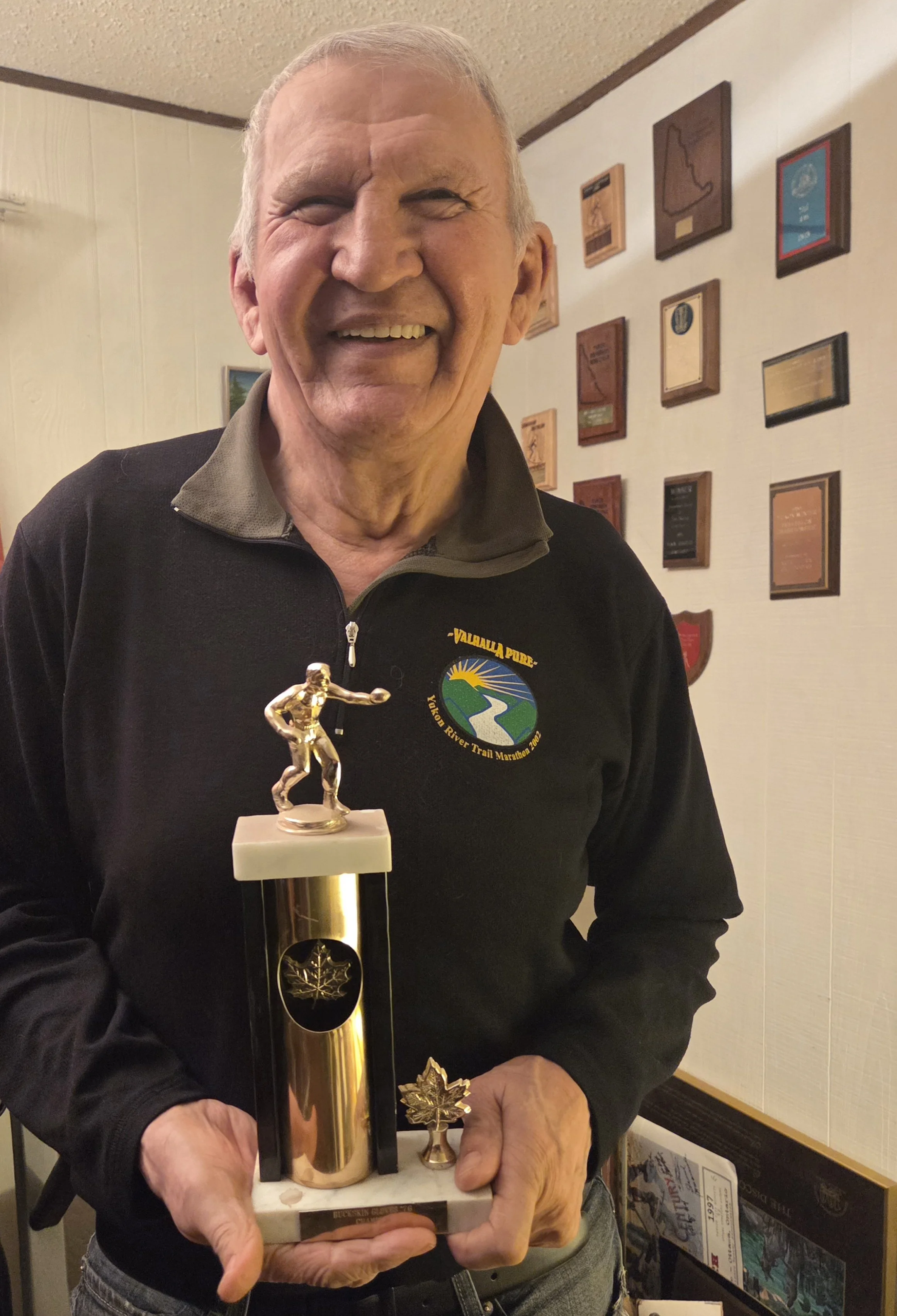
Chester Kelly — A Northern Champion for the Ages
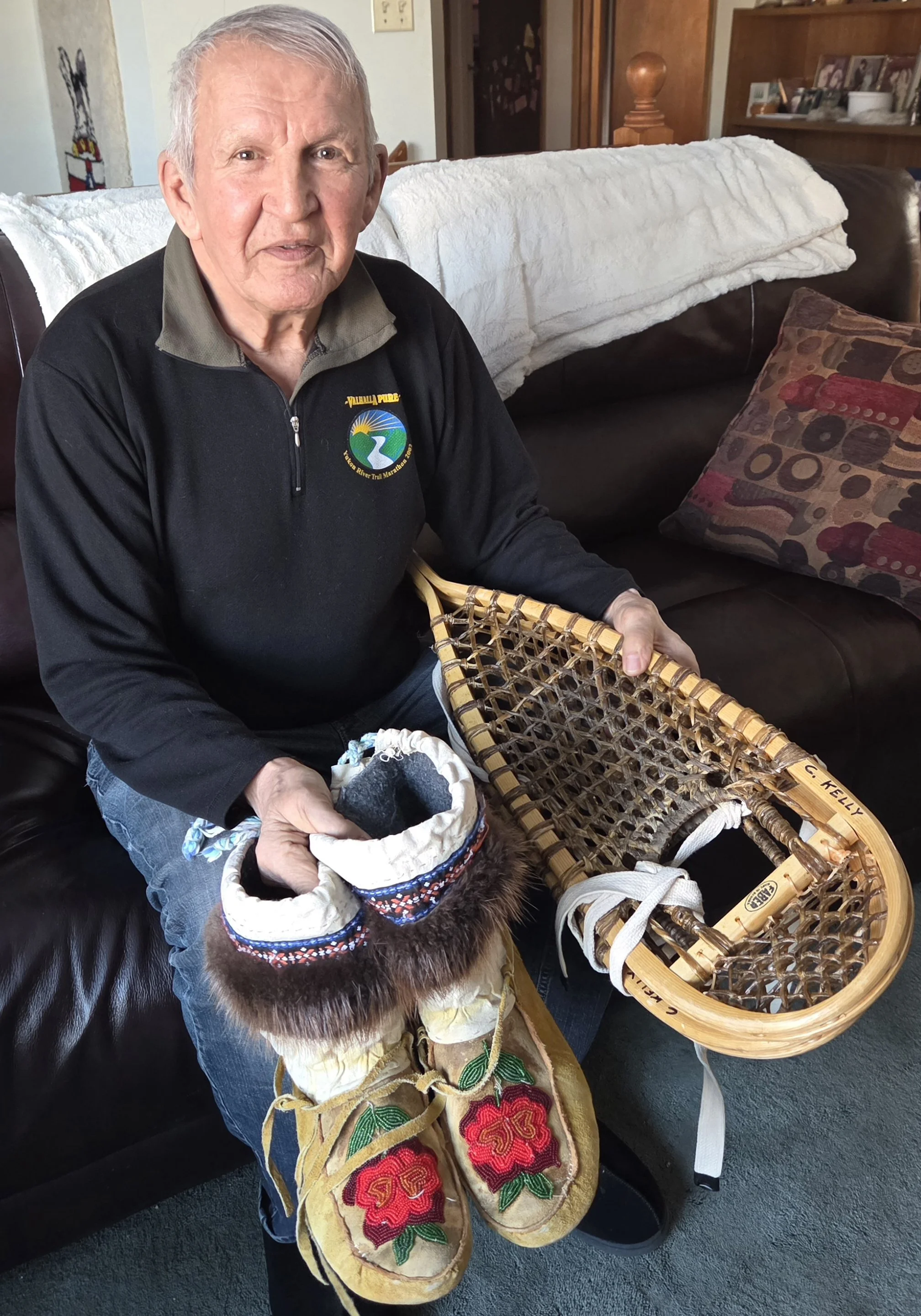
From the Vittrekwa family, Chester Kelly became one of the most accomplished northern athletes of his generation — a true multi‑sport champion. His achievements include:
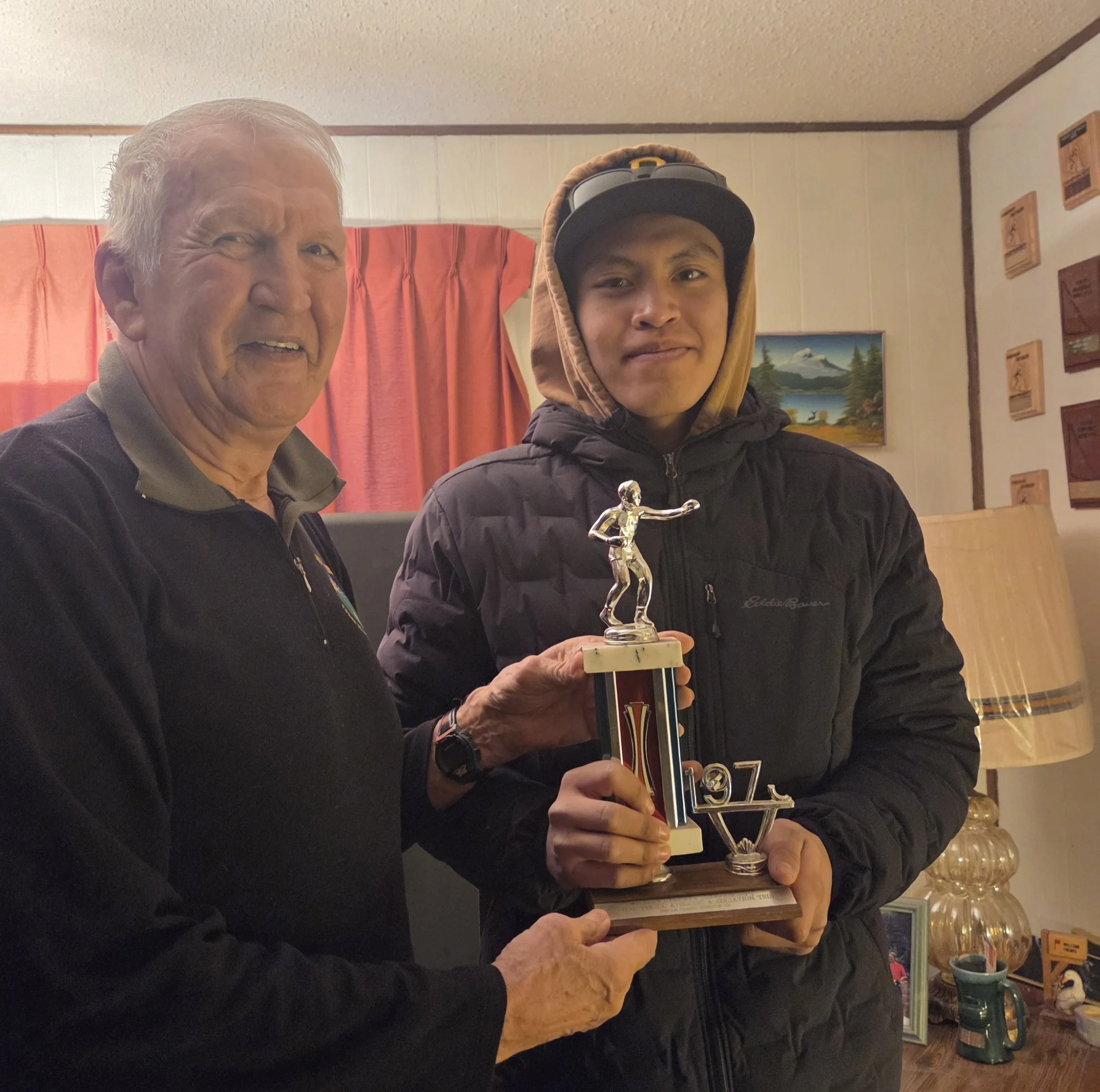
Yukon Middleweight Boxing Champion for nearly a decade
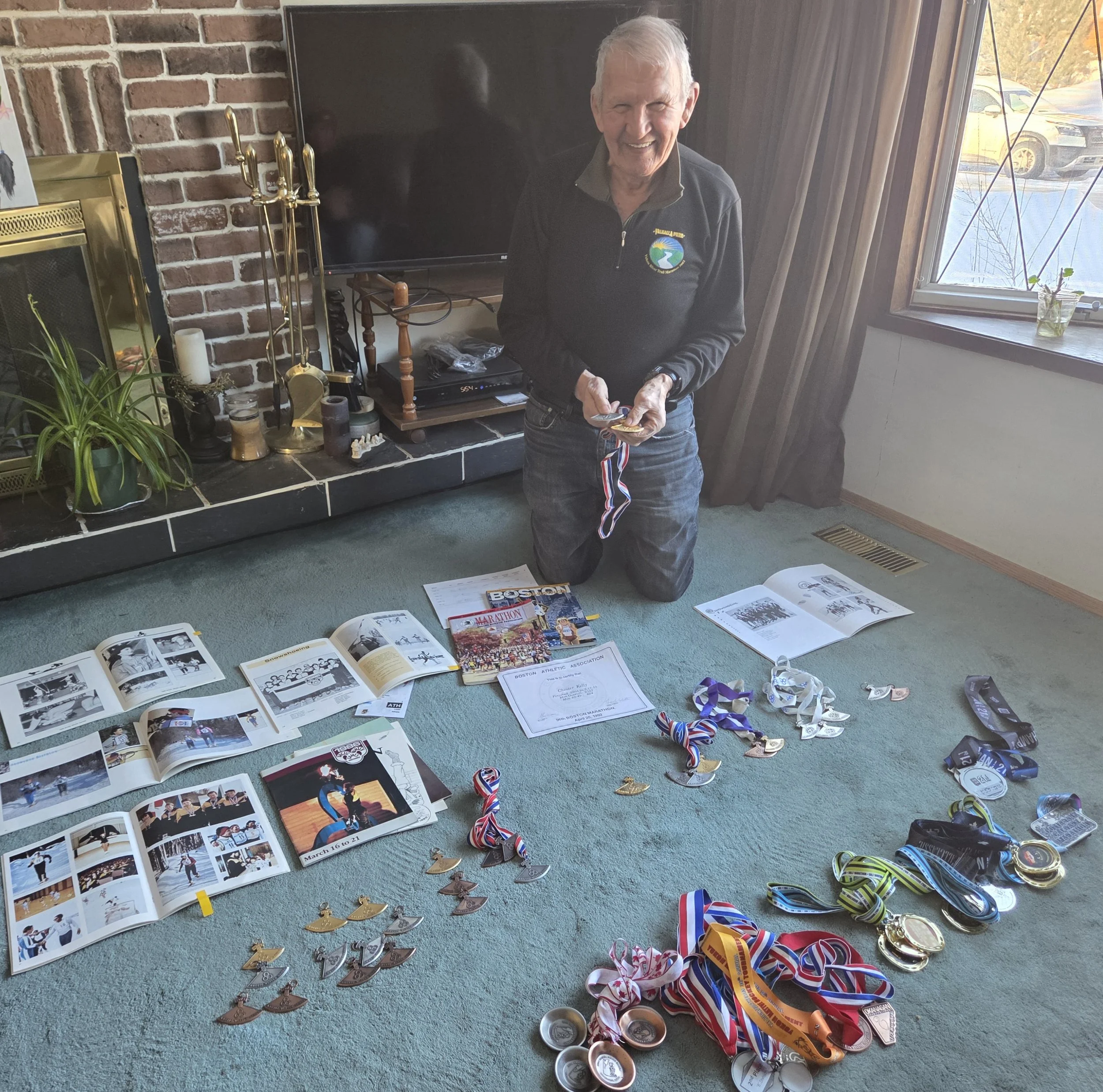
Multi‑medal winner at the Arctic Winter Games
Two‑time Boston Marathon finisher
Yukon Male Athlete of the Year
Yukon Coach of the Year
Chester’s story shows how Dinjii Zhuh strength adapts to any sport, any arena, any challenge.
Three Generations of Arctic Winter Games Success
From 1970 to the present day, Dinjii Zhuh athletes have competed at every single Arctic Winter Games. Not one Games has passed without our Youth stepping onto that stage, carrying our Nation’s pride.
Our athletes have brought home ulus in every era — gold, silver, and bronze — in all sports.
These ulus tell a story of continuity, resilience, and intergenerational strength. They show that even when resources were scarce, when travel was difficult, when support systems were uneven, our Youth still found a way to rise.
Today, we can look across three full generations of Dinjii Zhuh athletes — from the pioneers to those competing right now — and see a single, unbroken line of excellence.
Honoring Those We Lost Too Soon
Among the early ski champions were young athletes whose lives ended far too early. They were strong, disciplined, and full of promise — Youth who carried our Nation’s pride onto northern and international stages. Their deaths were tragic and unnecessary, and they left a silence in our communities that is still felt today.
We remember them because their stories matter.
They remind us that behind every medal is a young person who needs support, guidance, and care. They remind us that excellence can shine brightly, but it must also be protected. And they remind us that our responsibility does not end when an athlete steps off the trail, the rink, or the podium.
We honor them by:
remembering their names and their achievements,
acknowledging the pressures they faced,
strengthening the supports around our Youth today,
and ensuring that future champions grow old, raise families, and continue to contribute to our communities.
Their legacy is part of our legacy. Their story is part of our story. And we carry them with us as we build a safer, stronger future for the next generation of Dinjii Zhuh athletes.
Kevin Koe — A Master of Precision and Calm
Kevin Koe has become one of the most respected curlers in the world, known for his steady leadership, strategic brilliance, and ability to perform under pressure. His achievements — multiple Brier titles, world championships, and Olympian — reflect more than athletic excellence. They show the world the discipline, toughness, and clarity that come from growing up in the North.
Kevin’s journey reminds our Youth that greatness is not an accident. It is built through repetition, patience, and the courage to stay calm when the whole world is watching.
Alexandria Loutit — A New Standard for Fearlessness
Alexandria Loutit has rewritten what northern athletes can dream of. As a world champion ski jumper and the first Canadian woman to win a World Cup event, she has shown that barriers fall when you meet them with fearlessness and focus.
Her achievements are not just medals — they are signals to our Youth that the world is bigger than the horizon they see, and that they belong anywhere their courage can take them.
It is fitting that the Dinjii Zhuh were introduced to downhill skiing in the 1950s, then to cross country skiing and biathlon — and today we have a ski jumping world champion. A complete skiing story.
The Crisis We Face Today
Today, we face a crisis unlike anything before. Deadly drugs are destroying our communities. Addictions rising. Families breaking. Young people dying.
This is not just a challenge — it is a threat to our future.
Yet even in this darkness, we carry something powerful: proof from our own past that our Youth can rise when given purpose, support, and opportunity.
Sport is not a luxury. It is a lifeline.
It gives belonging, discipline, and hope.
Imagine if Indigenous Youth in isolated communities had the same resources as larger centers. Imagine if every community had a program like TEST. Imagine if our Youth had proper facilities, coaches, and year‑round support.
We know what would happen:
our people would excel,
our Youth would thrive,
our communities would heal.
Investment in our Youth is not charity. It is prevention. It is healing. It is nation building.
Returning to the Land
And just as important as sport is the source of all our original strength — the land itself.
For thousands of years, our people survived in one of the harshest environments on earth. The land shaped our endurance, our discipline, our toughness, and our identity.
That strength is still inside us — but many of our Youth have been pulled away from the very place that once protected and grounded us.
To truly heal, we must return to the land.
Our Youth need to:
travel the rivers again,
walk the mountains,
hunt, fish, trap,
build camps, haul wood,
learn the old trails.
They need to reconnect with the teachings that only the land can give.
We need programs where our people can once again live and travel our lands — programs like the Guardians initiatives — where young people learn stewardship, survival, cultural knowledge, and leadership directly from the land.
These are not luxuries. They are necessities.
Because when our Youth are on the land, they grow stronger. When they grow stronger, they heal. And when they heal, our communities rise.
And today, we are already seeing the first signs of that healing.Across our communities and villages, some of our teenagers are out harvesting — hunting, fishing, trapping, gathering — and sharing their harvests with our Elders and with families in need. They are showing us that the teachings are still alive, that the land still speaks, and that our future is not lost.Our Youth are reminding us of something powerful: there is hope.Listen to our children.
The Future We Choose
We stand at a crossroads.
One path continues the cycle of crisis and loss. The other path is the one our ancestors walked — the path of strength, discipline, and community.
We know what works. We have lived the proof. We have Olympians, world‑class athletes, and generations of champions to show what is possible.
For our leaders, governments, funders, and communities:
Invest in our Youth.
Invest in our facilities.
Invest in our coaches.
Invest in our land‑based programs.
Invest in our future.
Because when Dinjii Zhuh Youth are supported — truly supported — they rise. They always have. They always will.
Our people are strong. Our Youth are capable. And together, we can build a future where hope is stronger than any crisis.