Tribute to John Ross
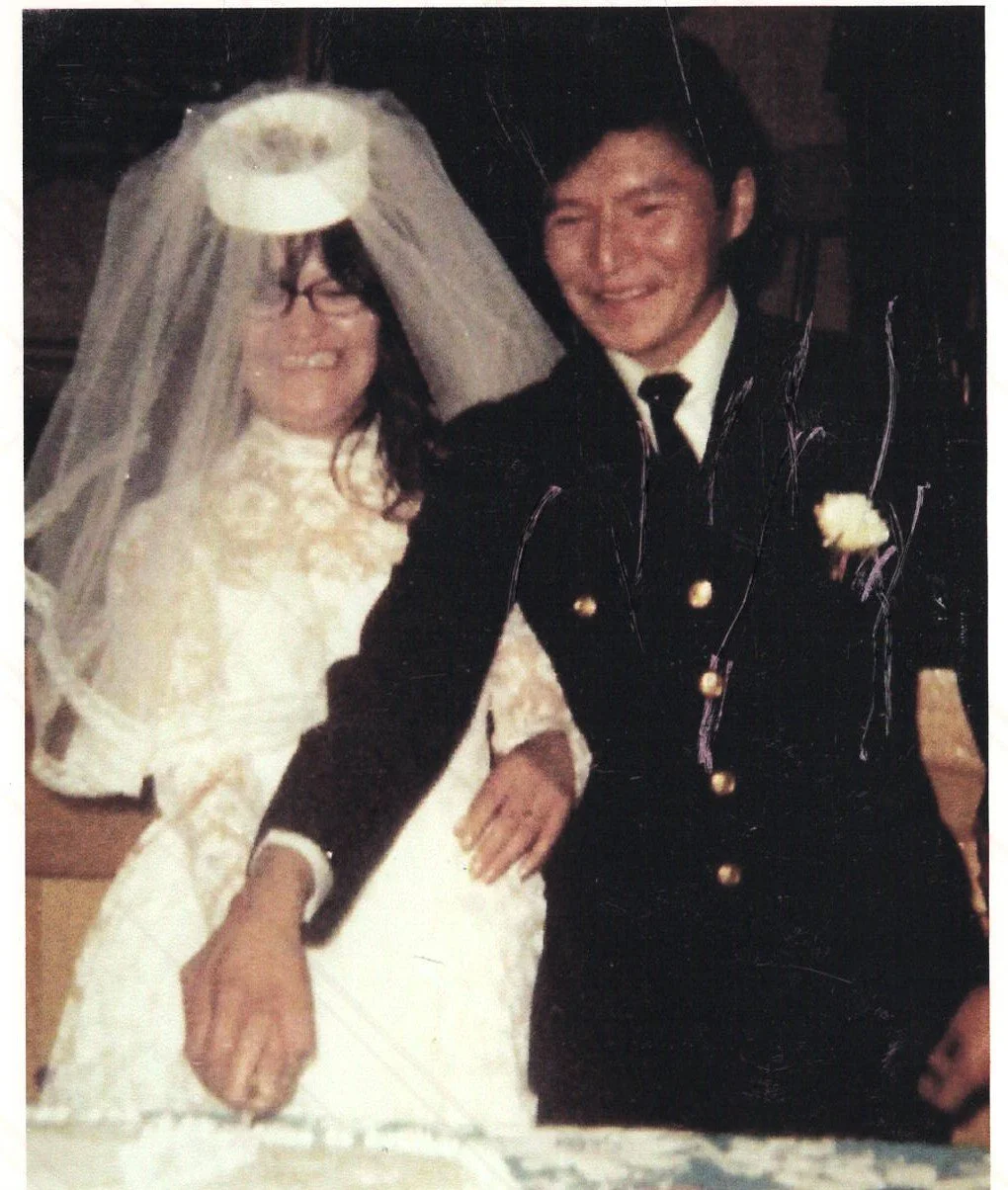
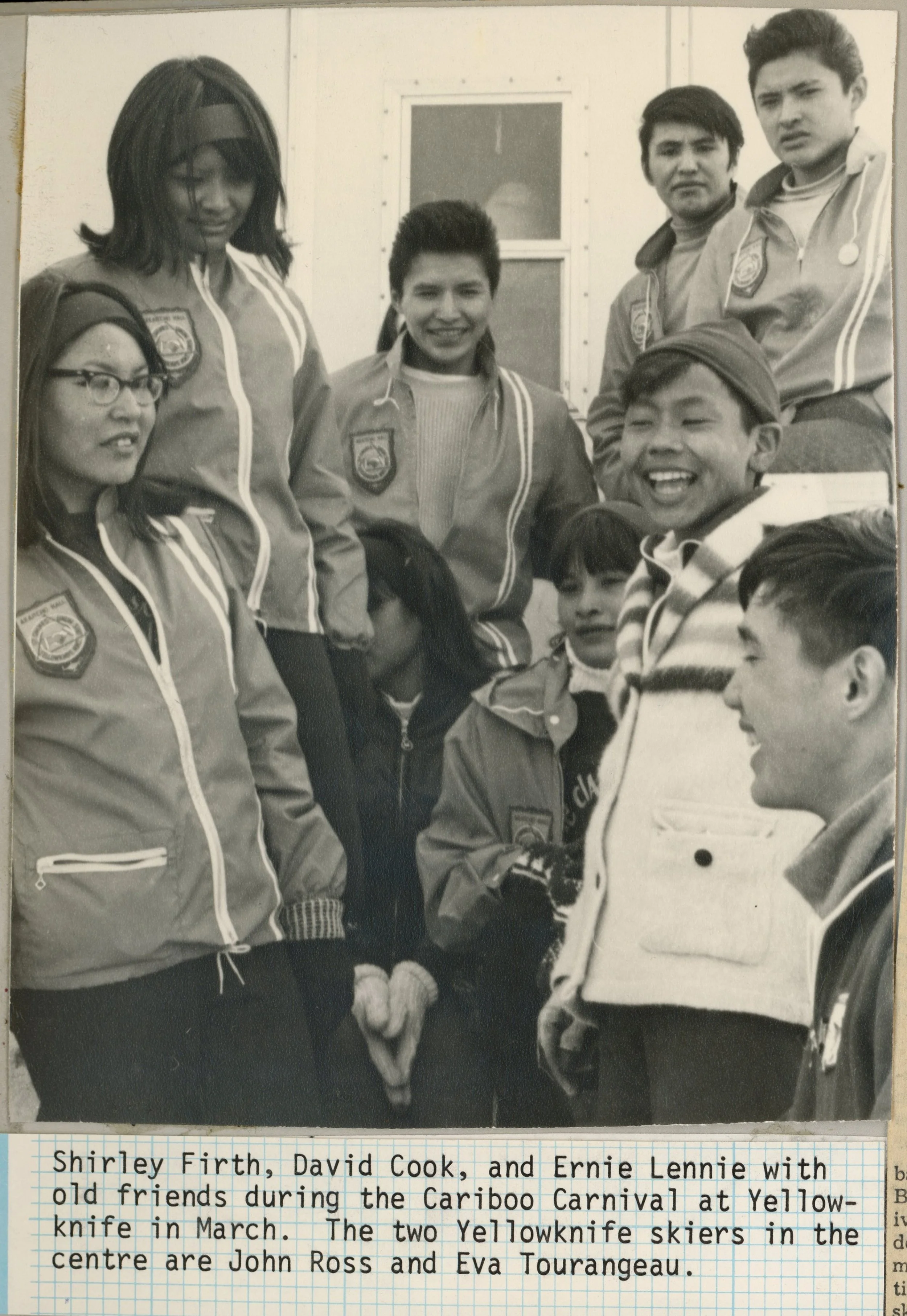
Before we speak the name of John Ross, we take a moment to ground ourselves in the land that shaped him — the rivers, the trails, the long winters, and the teachings carried by our Elders. We remember that every story begins with the land, and every strength we carry comes from those who walked before us.
We gather our hearts, our memories, and our courage, because the story you are about to read is not an easy one. It is a story of brilliance and heartbreak, of achievement and neglect, of a brother who carried the pride of our Nation and paid a price he should never have had to pay.
In our way, when we speak of someone who has passed on, we do it with respect. We do it with honesty. We do it with love. We do it so their spirit knows we have not forgotten them. We do it so our Youth understand the truth of what came before them, and so our leaders understand the responsibility of what must never happen again.
Today, we lift up the name of John Ross — as a son, a brother, a husband, a mentor, and a symbol of the strength and struggle of northern Indigenous athletes.
With humility, with love, and with the strength of our ancestors behind us, we begin.
My brother John Ross was one of the most versatile and determined athletes ever to come out of Teetl’it Zheh. He was the kind of athlete who excelled in everything he touched. Skiing. Paddling. Boxing. Coaching. Leadership. Service. He carried the strength of our people in every stride, every stroke, every punch, every breath.
John raced cross‑country skiing at the 1967 Canada Winter Games, competed in both boxing and skiing at the 1970 Arctic Winter Games, boxed again at the 1971 Canada Winter Games, and paddled in the major canoe races of 1967 and 1970. He served in the Canadian Armed Forces, representing this country with the same discipline and pride he carried as an athlete. And when he came home, he coached us — passing on everything he knew with patience, humor, and heart.
But after all his achievements, after representing the North, John returned home to nothing.
No government support. No recognition of his athletic accomplishments. No support for his military service. No housing. No safety net.
John and his wife Gloria were living in a plywood shack in Fort McPherson — a structure unfit for any family, let alone a national‑level athlete and a veteran. In November 1974, that shack caught fire. John and Gloria burned to death inside.
Their deaths were not an accident. They were the result of neglect — the kind of neglect no Indigenous athlete, no Indigenous veteran, no Indigenous family should ever endure.
And John was not alone.
Other northern Indigenous athletes also returned home to find they had been forgotten. They came back from representing the North, representing Canada — only to discover there was no support, no resources, no recognition, and no path forward. Many died far too young, lost to preventable tragedies that should never have happened.
This truth must be spoken clearly:
Northern Indigenous athletes gave everything — their strength, their talent, their pride — and the system gave them nothing in return.
John’s story opens this website because it forces us to confront the truth. It reminds us why this archive matters. It reminds us why we honor our athletes while they are still here. And it reminds us that our people have always carried greatness — even when the world refused to see it.
John Ross is the reason we tell these stories now, with honesty and love, so no one else is ever forgotten again.